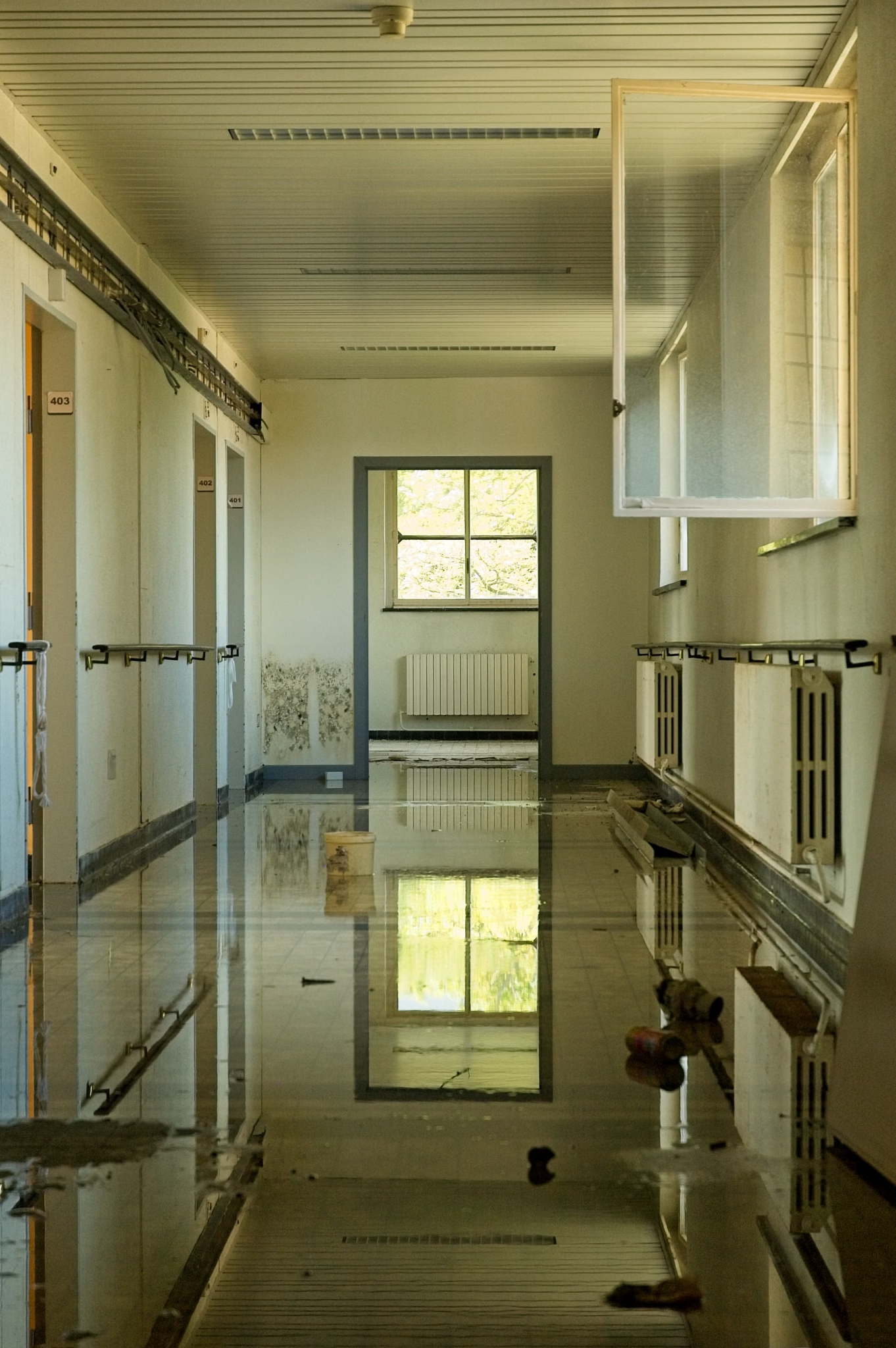
The last thing you would want to do when a flood or a leak strikes is to fix the damage in a hurry. This is where water damage restoration comes into play. Most homeowners and business owners think it is just drying the wet areas and moving on, but there is more than meets the eye. It is important to restore properly to avoid long-term structural problems, mold, and other latent issues. Knowing what to do at every step will provide you with peace of mind and help you make better decisions when your property is damaged by water.
Understanding the Restoration Process
The first step of any water damage restoration project is assessment. The professionals scrutinize the affected area closely to determine the type of water, the extent of the damage, and the materials involved. This is where a service like Restoration Logistics Centennial would typically step in. The damage mapping will help the experts determine what to do now and what can be delayed. Without a thorough inspection, even small leaks can turn into costly repairs.
See also: Retatrutide Safety Questions: Side Effects, Contraindications, and Monitoring
Water Extraction: Removing Standing Water
Once the assessment is done, the first thing to do is to eliminate standing water. Specialized pumps and vacuums remove water from floors, carpets, and even walls. This may sound easy, but any water left behind may affect the integrity of your building materials. Water is removed at this point, and drying equipment such as dehumidifiers and air movers is installed to hasten evaporation. Proper extraction prevents bowed floors, peeling paint, and swelling wood.
Drying and Dehumidification
Drying is not just a matter of air circulation. Air is dried using dehumidifiers in industries, and hidden places are dried using air movers. This is to prevent mildew and mould. Technical terms such as hygroscopic materials are used in this case, as they are objects that inherently absorb moisture from the air and can hold water even after it seems dry. Information on how these materials respond to water helps restoration teams plan effective drying plans.
Cleaning and Sanitizing
Once the water is depleted, it is important to clean and sanitize. Water can be infected with bacteria, and surfaces can be treated to reclaim the space to its former safety. Professionals use approved cleaning agents and techniques to restore objects, remove odors, and prevent the growth of microbes. Even walls, upholstery, and carpets can be washed so your home or office is safe and clean once again.
Restoration and Repairs
After cleaning and drying, restoration starts. This can include replacing drywall, refinishing floors, or repairing broken fixtures. The aim is to restore your property to its original state before the damage. Another technical term involved is capillary action, which is the ability of water to creep into small crevices in wood or drywall. This knowledge can help professionals ensure that all concealed areas of moisture are addressed before reconstruction.
Why Every Step Matters
Any omission in the water damage restoration process may cause larger issues in the future. Even when a surface seems dry, moisture that is trapped in walls or under flooring can cause mold, rot, and structural issues. Each process, from evaluation to recovery, is geared towards protecting your property and health. By taking a step-by-step approach, you can avoid recurrence of damage and additional costs.
The Significance of Early Intervention
Water damage cases are time-sensitive. Short-term measures reduce harm, prevent future problems, and keep restoration costs low. A quick response also helps preserve sentimental or high-value items. Knowing what to expect in the restoration process can help alleviate stress and support informed decision-making.
Conclusion
In the end, water damage restoration is more than drying wet areas. It is a meticulous procedure that entails evaluation, excavation, drying, washing, and mending. Every step counts, and failure to take all of them may cause greater problems in the future. Knowledge of this process helps homeowners and businesses prepare for an emergency and restore their property safely and effectively. Systematization and timeliness will save time, money, and stress.
