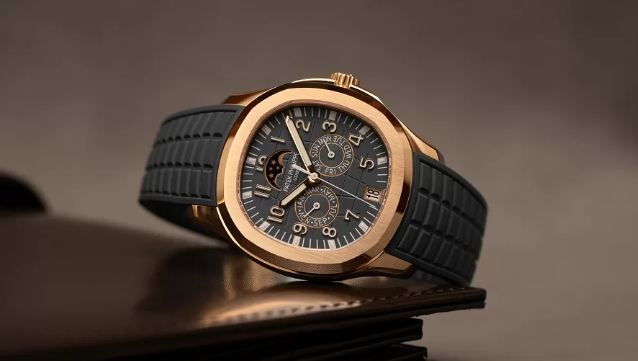
Mechanical watches have maintained their status as cherished timepieces for centuries, celebrated for their intricate craftsmanship and enduring elegance. Despite the rise of digital and quartz watches, mechanical watches continue to attract enthusiasts and collectors worldwide, symbolising both tradition and precision in horology.
The Origins and Evolution of Mechanical Watches
The history of mechanical watches dates back to the 15th century when the first portable timepieces were developed. These early devices relied solely on mechanical energy stored in wound springs and regulated by escapements to measure time. Over centuries, advances in engineering and design refined their accuracy, reliability, and aesthetic appeal.
Today, a mechanical watch represents a blend of centuries-old techniques and modern innovation. Many watchmakers continue to honour traditional methods, emphasising meticulous hand-assembled movements engineered to perform flawlessly over years.
See also: How Guide Pins Help Extend the Life of Mould Components
The Craftsmanship Behind Mechanical Watches
Mechanical watches stand apart due to the elaborate mechanical movements that drive them. Unlike quartz watches powered by batteries, mechanical movements rely on complex systems of gears, springs, and levers. The watchmaker’s expertise in assembling and finishing these tiny components is a key factor in the watch’s performance and longevity.
Each mechanical watch movement is a marvel of precision engineering, often featuring components like the balance wheel, escapement, mainspring, and gear train working harmoniously. The craftsmanship involved requires extensive knowledge and skill, making these watches symbols of technical mastery.
Manual vs. Automatic Mechanical Watches
Mechanical watches generally fall into two categories: manual and automatic. A manual mechanical watch requires regular winding by the wearer to keep the mainspring tensioned and the watch functioning. This ritual connects the owner with the watch in an intimate, tactile way.
Automatic mechanical watches, on the other hand, feature a rotor that winds the mainspring automatically through the motion of the wearer’s wrist. This innovation provides convenience while retaining the mechanical complexity that aficionados admire.
The Enduring Experience of Wearing a Mechanical Watch
One of the key attractions of mechanical watches is the emotional and sensory experience they offer. The subtle ticking sound, the smooth sweep of the second hand, and the knowledge that the watch is powered by intricate mechanics rather than electronics foster a unique connection between wearer and timepiece.
Mechanical watches often become treasured heirlooms, passed down through generations. Their material quality and timeless design mean they can accompany a person’s journey through life, gaining character and history.
Design and Aesthetic Appeal
Mechanical watch design varies widely, but many models showcase the movement through transparent case backs or openwork dials, allowing the wearer to admire the craftsmanship. Classic designs often feature elegant indices, polished case finishes, and traditional materials like stainless steel, gold, or leather straps.
The visual appeal combined with the knowledge of the mechanics inside contributes to the fascination mechanical watches command among collectors and casual wearers alike.
Mechanical Watches in the Modern Era
Although digital technology has transformed how people keep time, mechanical watches continue to thrive as luxury and collector pieces. The tangible, mechanical nature appeals to those seeking authenticity and permanence in a fast-paced digital world.
Brands known for their high-quality mechanical watches often invest heavily in research and development to improve performance and durability. Features such as enhanced shock resistance, increased water resistance, and anti-magnetic materials are common in contemporary models.
Investment and Collectability
Many mechanical watches are considered investments due to their potential appreciation in value. Limited editions, vintage pieces, and watches from renowned manufacturers often gain significant worth over time.
Collectors appreciate the historical significance, technical complexity, and rarity that mechanical watches can embody. These factors help maintain their appeal in the competitive luxury watch market.
Where to Find Quality Mechanical Watches
For those interested in acquiring a mechanical watch, it is important to source from reputable vendors who specialise in authentic pieces. Trusted retailers provide warranties and guarantee the quality and provenance of their collections.
One such provider is mechanical watches collection by Wamada Jewellery, which offers a diverse range of finely crafted timepieces catering to various styles and preferences. Their curated selection reflects both contemporary trends and classic traditions.
Maintaining a Mechanical Watch
Maintaining a mechanical watch is essential to preserve its function and appearance. Routine servicing every few years is recommended to lubricate moving parts, replace worn components, and ensure optimal accuracy.
Owners should also be mindful of safe storage, avoiding magnetic fields and excessive shocks that can impair the mechanism. Wearing the watch regularly or winding it as instructed can also contribute to its longevity.
Conclusion
The timeless appeal of mechanical watches lies in their unique combination of artistry, engineering, and heritage. They remain a testament to human ingenuity and a symbol of personal style and taste.
Whether appreciated for their historic significance, craftsmanship, or investment value, mechanical watches will continue to captivate those who value quality and tradition in measuring time.
