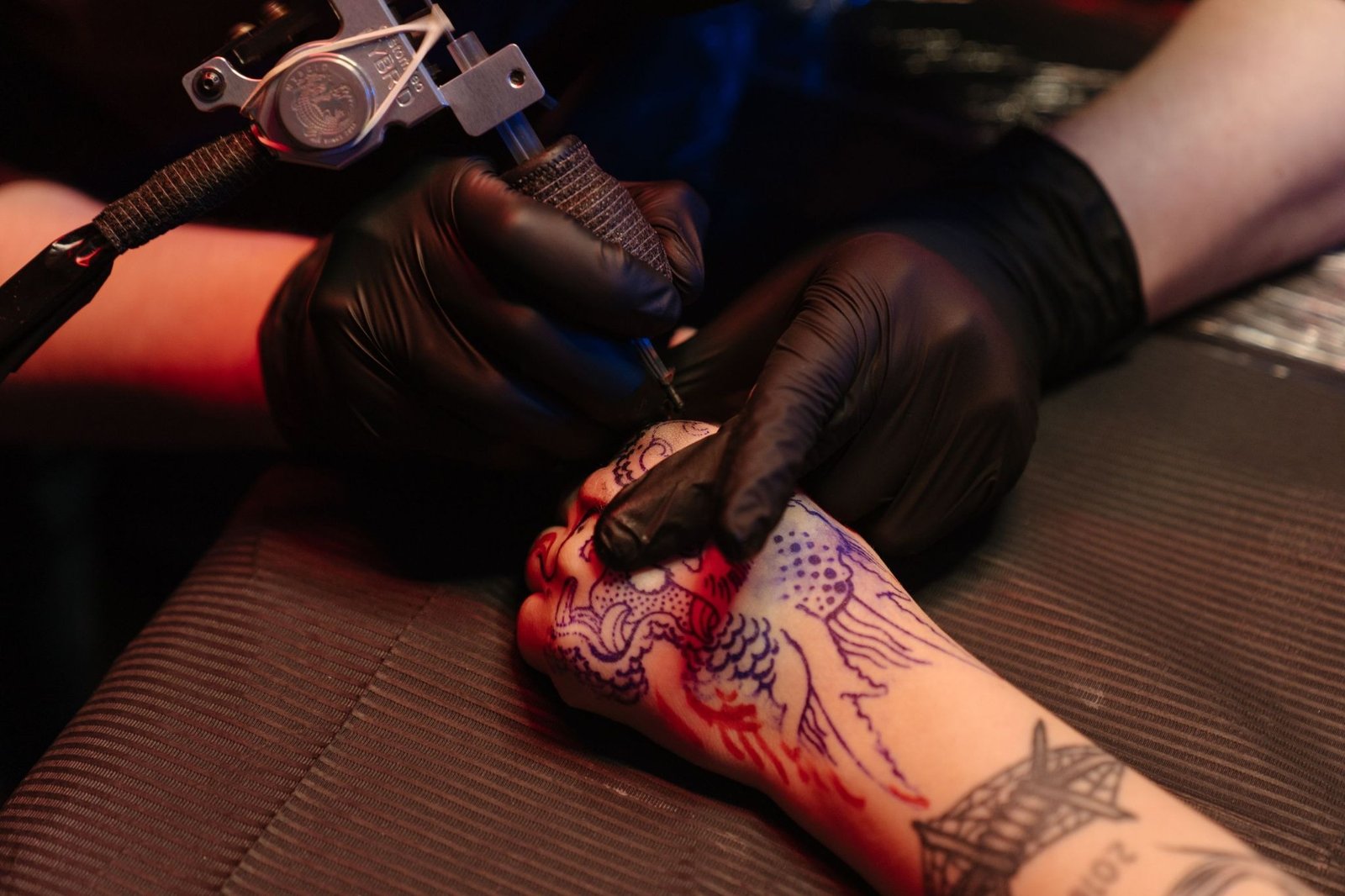
Before you head off for your tattoo inking appointment, there’s a fair bit that goes into it besides picking the artwork that you want and rocking up at the shop. As well as ensuring it’s the ultimate experience for you as a customer, meticulous prep will allow your tattooist to get their craft done perfectly and focus on delivering amazing work.
This includes everything from design conversations to getting your skin ready for inking and being responsible for the care post-tattoo. One area that you’ll likely read up about is a tattoo numbing cream, which may have you imagining the entire experience is going to be pain-free but it’s really just one part of the preparation process rather than the holy grail.
Start With a Conversation With Your Tattoo Artist
Things have to get underway quite a bit before the actual tattoo itself gets inked. Consultations need to take place so your tattoo artists can help you with design ideas, placement, size, and how long your tattoo should actually take to be inked.
They will also advise you on whether tattoo numbing cream is applicable to your procedure and if there are any specific instructions you’ll have to adhere to depending on how you work with each artist’s approach to preparing the skin before a procedure.
Their website suggests checking directions, reading it thoroughly and applying as recommended to prepare for and optimize your tattoo’s use prior to your appointment.
See also: Retatrutide Safety Questions: Side Effects, Contraindications, and Monitoring
Prepare the Skin Properly Before Applying the Cream
Getting healthy skin helps a surface for any tattoo or even cream to be inked onto. This ensures that tattoo numbing lotion will certainly function correctly when preparing yourself.
If the tattoo skin needs to be cut it needs to be done prior to applying the gel, with smooth downward strokes to try to minimize the disturbance of the hair roots. It has been identified that the gel needs a clean slate to be absorbed more efficiently before your tattoo job can begin. Don’t implement lotion, essential oils, or any various other lotions on the skin just before numbing if you are actually not asked to do so.
Correct Application Is an Important Part of the Routine
Using tattoo numbing cream effectively depends on following the recommended application method rather than simply applying it immediately before the appointment. These preparation steps are designed to maximise the numbing effect before tattooing begins. Skipping individual steps or shortening the recommended preparation time may reduce overall effectiveness.
Timing Makes a Difference
Many people focus only on the product they choose without giving equal attention to application timing. However, allowing sufficient time for the cream to work is an important part of tattoo preparation. Planning this time into the day’s schedule helps avoid unnecessary rushing before the appointment.
Plan Ahead for Longer Tattoo Sessions
Not every tattoo can be completed in a single short appointment. Larger pieces, detailed sleeves and complex artwork may require extended sessions. Unlike the original preparation, this reapplication should remain on the skin for no longer than twenty minutes and should not be covered with cling wrap.
For additional comfort during longer procedures, the website also notes that numbing sprays and gels may be used during appropriate stages of treatment.
Planning for longer sessions allows clients to prepare mentally and practically while following the instructions provided for different stages of tattooing.
Follow Safety Instructions Carefully
Every topical product should be used according to its instructions. Tattoo numbing cream is no exception.
The tattooist advises avoiding alcohol during the twenty-four hours before the appointment and recommends keeping the cream away from the eyes, mouth, nose and other sensitive areas. It is also recommended washing hands thoroughly after application and consulting a doctor before use if a person has sensitive skin, allergies or existing medical conditions. Mild redness after application is described as a normal response for some users.
Reading ingredients and directions carefully helps ensure the product is used appropriately within the overall preparation routine.
Comfort Is Only One Part of the Tattoo Experience
Although the tattoo numbing cream may help make the procedure more comfortable, successful tattoo preparation involves several other practical considerations.
Getting enough rest before the appointment, staying hydrated, wearing comfortable clothing that allows easy access to the tattoo area and arriving on time all contribute to a smoother experience. Preparing mentally for the length of the session also helps people remain relaxed throughout the procedure.
Viewing tattoo preparation as a complete process rather than relying on a single product helps create realistic expectations for the appointment.
Aftercare Continues Once the Tattoo Is Finished
Preparation does not end when the tattoo session is complete. Looking after the skin during healing is equally important for achieving a good long-term result. Following the tattoo artist’s aftercare instructions remains the most important part of caring for a new tattoo during the healing period.
Understand That Everyone’s Experience Is Different
No two people respond to tattooing in exactly the same way. Factors such as individual pain tolerance, skin type, tattoo location and the length of the appointment can all influence the overall experience. Recognising these differences helps people approach their tattoo appointment with realistic expectations while preparing appropriately for their own situation.
Conclusion
Tattoo numbing cream can be a useful part of preparing for a tattoo, but it works best when included within a complete preparation routine rather than treated as the only step. Consulting the tattoo artist, preparing the skin properly, following the recommended application instructions, allowing enough preparation time and planning for longer sessions all contribute to a smoother experience.
The tattoo journey also continues after the appointment through careful aftercare and proper skin recovery. By viewing preparation as a series of connected steps rather than focusing on one product alone, clients can approach their tattoo appointment with greater confidence and better understand the importance of each stage in the overall process.
