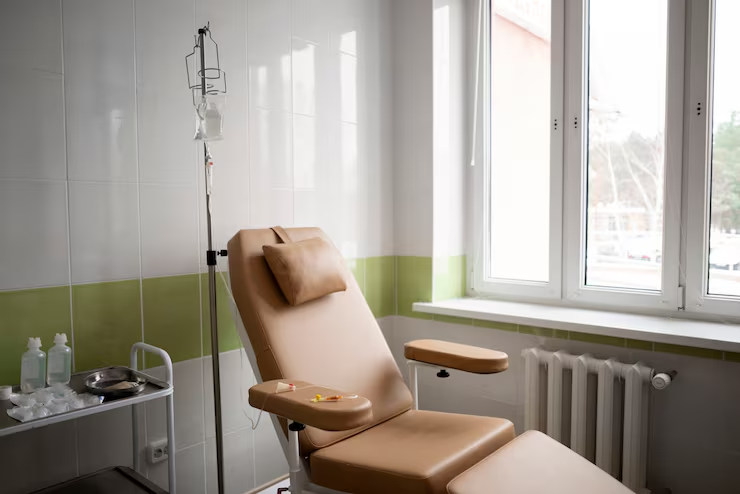
When setting up a skin or aesthetic treatment space, one of the first questions that comes to mind is which equipment will provide the best comfort and support for the patients. Among different treatment essentials, choosing the right derma chair can make a major difference in how smoothly procedures are performed. A suitable chair is not only about appearance but also about flexibility, patient comfort, and long-term usability. With many options available in the market, selecting the right one can become confusing, especially if you are not familiar with the features that actually matter.
A treatment chair plays an important role in creating a professional experience for both practitioners and clients. Whether the procedure involves skincare treatments, consultations, or aesthetic services, the chair should support different positions and allow easy adjustments. Hence, understanding the key features before making a decision can help you choose equipment that fits your requirements.
Why Choosing the Right Treatment Chair Matters
A modern aesthetic environment requires equipment that supports efficiency and comfort. A poorly designed chair can create inconvenience during procedures and may affect the overall experience of the client. On the other hand, a well-designed option allows professionals to work comfortably while ensuring clients remain relaxed throughout their appointment.
The ideal derma chair should offer a balance between functionality and comfort. Features such as adjustable height, reclining options, proper cushioning, and easy maintenance should be considered before making a purchase. These features help create a better workflow and allow practitioners to perform treatments with greater precision.
See also: How Guide Pins Help Extend the Life of Mould Components
Important Features to Consider Before Buying
One of the most important factors to look at is adjustability. A chair with multiple adjustment options allows professionals to position clients correctly according to the treatment being performed. This reduces unnecessary movement and helps maintain better control during procedures.
Another factor that should not be ignored is comfort. Clients may spend a considerable amount of time on the chair, depending on the treatment. Quality padding, supportive design, and smooth positioning mechanisms can improve the overall experience. The concept of ergonomics is also important here because it focuses on designing equipment that supports natural body positioning and reduces physical strain.
Material, Durability, and Maintenance
The material used in the chair also affects its performance and lifespan. Since aesthetic treatments often involve creams, solutions, and cleaning products, the surface should be easy to clean and maintain. Durable materials help prevent frequent replacements and keep the treatment area looking professional.
Before selecting a chair, it is also important to consider the available space. A model with suitable dimensions allows professionals to move freely around the treatment area. A comfortable setup creates a more organised environment and improves the efficiency of daily operations.
Technology and Modern Treatment Requirements
Modern aesthetic procedures continue to evolve, and treatment spaces need equipment that can support changing requirements. Some advanced procedures require precise positioning and stable support, making chair design even more important. Features such as smooth reclining systems and flexible sections help professionals adjust the setup according to different treatments.
Certain treatments may also involve technologies such as photobiomodulation, which uses specific light wavelengths for various skin-related applications. While the chair itself does not perform the treatment, having a flexible and adjustable setup can help professionals create a suitable environment for technology-based procedures.
How to Choose the Right Option for Your Needs
Before purchasing a derma chair, it is important to evaluate your daily requirements. Consider the types of treatments you provide, the number of clients you handle, and how frequently the chair will be used. A chair designed for occasional use may not provide the same benefits as one built for regular professional treatments.
It is also helpful to check factors such as weight capacity, movement flexibility, and ease of operation. Small details can have a significant impact on daily convenience. Taking time to compare features instead of focusing only on price can help you make a better investment.
Final Thoughts
Choosing the right treatment chair requires careful consideration of comfort, functionality, durability, and practical needs. The best option is one that supports both the professional and the client throughout the treatment process. By understanding the features that matter, you can create a more efficient and comfortable aesthetic workspace.
A well-selected chair is not just another piece of equipment. It becomes an essential part of providing quality treatments and creating a positive client experience. Hence, investing in the right option can help improve workflow, comfort, and overall satisfaction in a modern skin and aesthetic treatment environment.
