Moulds are built to perform the same operation repeatedly with a high degree of accuracy. Whether used in stamping, forming or moulding applications, every production cycle depends on precise alignment between moving components. Even small deviations can gradually affect the quality of finished parts and increase wear on expensive tooling.
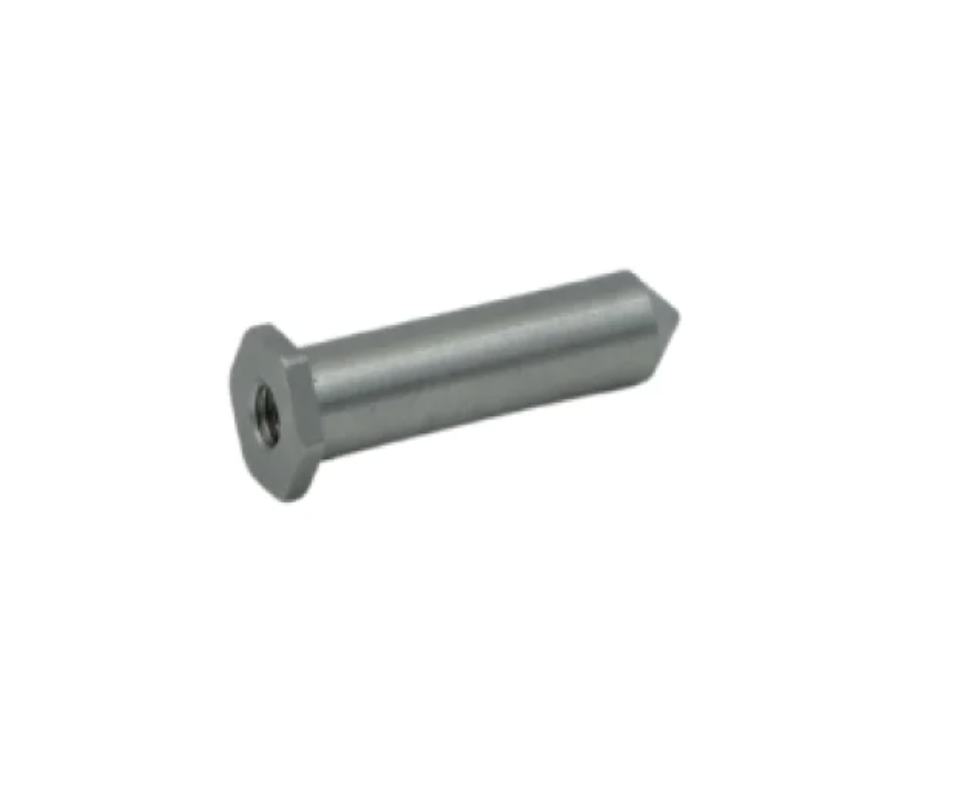
One of the simplest yet most important components responsible for maintaining this accuracy is the guide pin. Although guide pins are relatively small compared to other parts of a mould assembly, they play a significant role in keeping the upper and lower sections correctly aligned throughout every production cycle.
Understanding how guide pins work and why they are important helps explain how they contribute to extending the service life of mould components while supporting consistent manufacturing performance.
Guide Pins Maintain Accurate Alignment
The primary function of a guide pin is to ensure that two moving halves of a mould or die come together in the correct position every time the tool closes.
Guide pins enter their matching guide bushes before the working surfaces of the tool meet. This early engagement allows the mould halves to align correctly before any cutting, forming or shaping takes place. By controlling this movement, guide pins help maintain the intended relationship between punches, cavities and other precision components.
Accurate alignment during every cycle helps the mould operate smoothly while reducing unnecessary contact between critical working surfaces.
See also: Retatrutide Safety Questions: Side Effects, Contraindications, and Monitoring
Proper Alignment Reduces Component Wear
Repeated production cycles naturally place stress on mould components. If alignment changes even slightly, the contact between different parts may become uneven.
When guide pins maintain correct positioning, loads are distributed more evenly throughout the mould assembly. This reduces unnecessary friction between mating surfaces and helps prevent premature wear on punches, cavities and guide bushes.
Over thousands or even millions of production cycles, maintaining consistent alignment helps preserve the condition of the mould and reduces the likelihood of avoidable component damage.
Guide Pins Protect Critical Working Surfaces
The most precise areas of a mould are often its cutting or forming surfaces. These components are manufactured to extremely tight tolerances and rely on accurate positioning throughout every cycle.
Guide pins are designed to guide the moving halves into position before these critical surfaces make contact. This controlled movement helps minimise the possibility of unintended contact between precision components during operation.
Protecting these working surfaces helps maintain the dimensional accuracy of the mould while supporting consistent product quality over long production runs.
High Wear Resistance Supports Long Service Life
Guide pins operate continuously in applications that involve repeated movement under load. Because they enter and exit guide bushes during every production cycle, they must withstand constant friction.
To improve durability, guide pins are commonly manufactured from hardened tool steel or bearing steel. They are precision ground and polished to create a smooth surface that reduces friction while resisting wear. According to the product information, a hardened surface combined with a tough core allows the guide pin to absorb repeated side loads and impacts without excessive wear or chipping.
This combination of hardness and toughness allows guide pins to maintain their dimensions for longer, helping preserve accurate alignment throughout their service life.
Guide Pins and Guide Bushes Work Together
A guide pin does not operate independently. It works together with a matching guide bush to create an effective alignment system.
The guide pin slides smoothly inside the guide bush as the mould opens and closes. The fit between these two components determines how accurately the upper and lower halves remain aligned during operation. A properly matched guide pin and bush allow free movement while maintaining the positioning needed for precision manufacturing.
When both components are selected and maintained correctly, they support reliable operation while helping reduce unnecessary wear throughout the mould assembly.
Precision Manufacturing Improves Performance
Guide pins must be manufactured with a high degree of accuracy to perform their intended function. Maintaining these tight manufacturing standards helps ensure smooth movement within the guide bush while supporting accurate alignment throughout repeated production cycles.
Precision manufacturing also helps reduce vibration, uneven loading and unnecessary stress on surrounding mould components.
Correct Selection Matters
Not every guide pin is suitable for every mould.
Several factors influence the selection process, including diameter, length, hardness, surface finish, mounting style and fit with the guide bush. These characteristics should match the design requirements of the mould as well as the expected production conditions.
The product information also notes that stroke rate, production volume and lubrication requirements should be considered when selecting guide pins for different applications. Choosing components that match the intended operating conditions helps support reliable long-term performance.
Careful selection allows guide pins to perform efficiently without placing unnecessary stress on other mould components.
Maintenance Helps Preserve Accuracy
Even durable components benefit from routine maintenance.
Guide pins should be inspected periodically for visible signs of wear, scoring or damage. Lubrication also plays an important role in reducing friction between the guide pin and guide bush. Clean operating conditions help minimise contamination that could increase wear or affect alignment.
Poor lubrication, contamination within the guide bush, incorrect assembly and operating beyond the intended stroke rate can all accelerate wear. Addressing these factors through regular maintenance helps preserve the performance of both the guide pin and the surrounding mould components.
Routine inspections make it easier to identify gradual wear before it begins affecting production quality.
Consistent Alignment Supports Better Product Quality
Guide pins contribute to more than the lifespan of mould components. They also help maintain the quality of finished products.
When mould halves close in exactly the same position during every production cycle, the resulting parts are more likely to remain within their intended dimensional tolerances. Consistent alignment also helps reduce issues such as mismatch, burr formation and uneven component fit that may develop when mould components gradually lose their positioning accuracy.
By supporting repeatable operation, guide pins play an important role in maintaining manufacturing consistency over extended production runs.
Guide Pins Contribute to Efficient Manufacturing
Reliable mould performance depends on the smooth interaction of many precision components. Guide pins help create this stability by controlling alignment before the working faces of the mould begin their operation.
Because properly functioning guide pins reduce unnecessary wear and help maintain accurate positioning, they also contribute to fewer interruptions for maintenance and component replacement. Maintaining alignment throughout long production runs supports efficient manufacturing while helping protect valuable tooling investments.
Although guide pins are relatively simple components, their contribution extends throughout the entire mould assembly.
Conclusion
Guide pins perform one of the most important functions within a mould by maintaining accurate alignment during every production cycle. Their precision machining, hardened surfaces and carefully matched fit with guide bushes help reduce wear, protect critical tooling surfaces and support consistent product quality.
Proper material selection, accurate manufacturing, regular lubrication and routine inspection all contribute to the long-term performance of guide pins. When these factors work together, mould components experience less unnecessary stress and remain in service for longer periods.
While guide pins may be small compared to other parts of a mould assembly, their role in protecting tooling, maintaining alignment and extending component life makes them an essential part of reliable and efficient manufacturing.
