
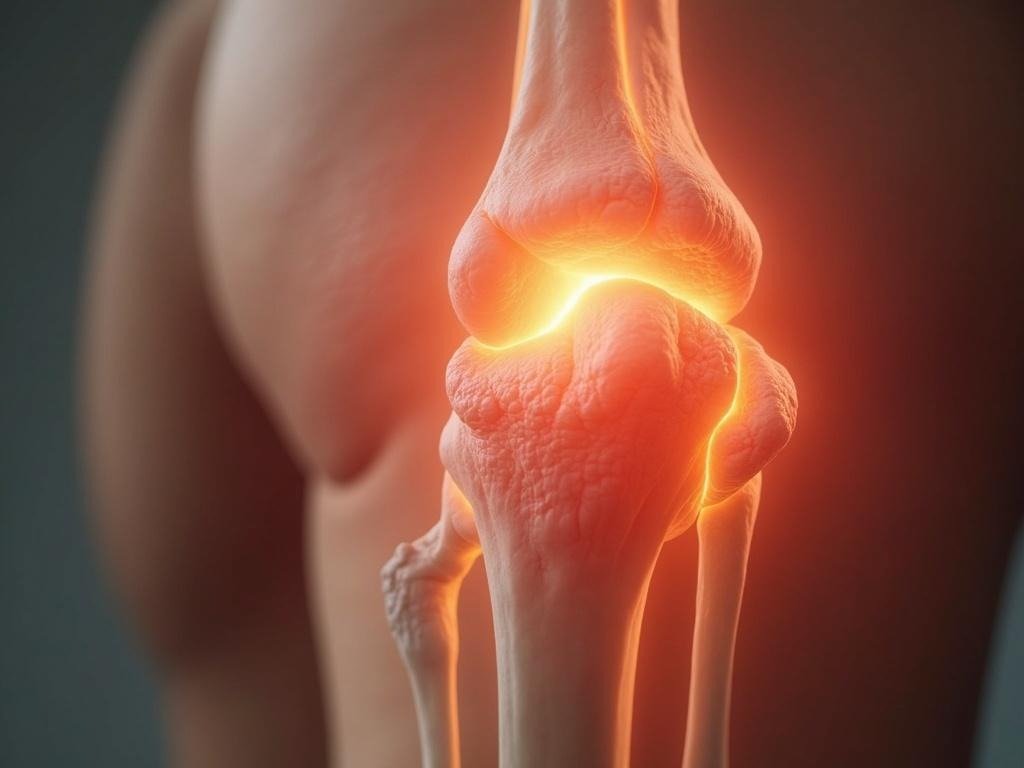
You just had a procedure. Maybe it was a torn ACL repair, a rotator cuff reconstruction, or abdominal surgery. The pain is manageable, but the slow crawl of tissue healing is not. Your surgeon says weeks to months. You start reading forums. You find Reddit threads, Discord servers, and bodybuilding boards where the same compound names surface again and again. Some people are buying through research vendors. Others are going through a physician. The question is which peptides are actually worth the conversation, and where you get them safely.
Here is what the recovery-peptide conversation actually looks like right now, broken down by compound and sourcing options.
1. FormBlends, for People Who Want a Prescription and a Pharmacist Behind It
The clearest line in the peptide world is this one: research vendors sell compounds labeled “not for human consumption,” no prescriber involved, no pharmacy dispensing. FormBlends operates on the opposite side. A licensed physician reviews your intake, signs off, and your compounds are dispensed by an FDA-registered compounding pharmacy working under cGMP standards.
For post-surgery peptides specifically, the catalog is unusually complete. BPC-157 runs $54 per vial, TB-500 is $49, and a pre-blended BPC/TB combination is $79. Those prices are visible before you sign anything. No hidden membership stacked underneath.
The purity documentation is not a generic certificate of analysis with a single number. Each batch goes through three separate checks: HPLC chromatography for purity, mass spectrometry to confirm molecular identity, and a contamination screen that catches bacterial byproducts that can cause serious systemic reactions. The published BPC-157 purity figure is 99.2 percent. That specificity is rare.
Available in 47 states. Human evidence on BPC-157 and TB-500 remains largely preclinical, which FormBlends does not hide.

2. BPC-157 (The Compound Everyone Mentions First)
BPC-157 is a synthetic peptide derived from a protein found in gastric juice. It dominates post-surgery discussions because animal studies show accelerated tendon-to-bone healing, reduced inflammation, and nerve repair signaling. Human clinical data is thin. But thin is not zero, and the anecdotal volume from people doing ACL and shoulder rehab is substantial enough that orthopedic-adjacent clinicians are starting to pay attention.
3. TB-500 (Thymosin Beta-4 Fragment)
TB-500 is the synthetic version of a peptide your body already produces. It promotes actin regulation, which matters for cell migration during wound repair. The conversation around TB-500 almost always pairs it with BPC-157. The theory is complementary mechanisms: BPC-157 at the injury site, TB-500 working systemically. Rodent studies support this pairing in tendon injury models. Human trials are not there yet.
4. Pepthrive, for Research-Grade BPC and TB With Batch Documentation
Pepthrive comes up constantly in community threads as a go-to for BPC-157, TB-500, CJC-1295, and ipamorelin. The reason people name them specifically is the batch-specific COAs rather than a generic one-size-fits-all document, and a support team that responds. No physician, no prescription. Research use only. That is the honest framing, and most community members know it.
5. CJC-1295 and Ipamorelin (The GH Secretagogue Stack)
These two work together. CJC-1295 extends the half-life of growth hormone-releasing hormone. Ipamorelin is a selective GH secretagogue that does not spike cortisol the way older compounds did. Post-surgery interest centers on the idea that higher GH pulses accelerate collagen synthesis and lean tissue repair. Evidence is early. But GH secretagogues have a longer human-use history than most peptides on this list, which gives some clinicians more comfort discussing them.
6. Ascension Peptides and Paramount Peptides, for the Independently Tested Research Market
Both vendors have built reputations on third-party testing. Ascension ships domestically, publishes COAs, and maintains a wide catalog. Paramount’s BPC-157 has appeared in independent purity comparison roundups scoring around 9.6 out of 10, which is the kind of specific data point that sticks in community memory. Neither provides a prescriber or a licensed pharmacy. Research use only applies to both.
7. GHK-Cu (Copper Peptide, Underrated in Surgical Contexts)
Most people associate GHK-Cu with skin and hair. The post-surgery interest is different. GHK-Cu upregulates genes involved in tissue remodeling and antioxidant defense. Some researchers look at it as a low-risk addition to a recovery stack because its safety profile in topical and injectable forms is relatively well characterized. It is not the headliner, but it keeps coming up in conversations about scar reduction and connective tissue support after procedures.
8. Thymosin Alpha-1 (For Immune Function After Major Surgery)
Major surgery hammers immune function. Thymosin alpha-1 has more clinical data behind it than almost any other peptide on this list, because it has been studied in sepsis, hepatitis B, and post-chemotherapy immune suppression in actual human trials. The post-surgical application is extrapolated from that immune-modulating research. Still, the existing human data makes clinicians more willing to discuss it. FormBlends carries it at $59 per vial through the physician-supervised model. Orion Peptides and Verified Peptides both carry it on the research side.
The 2026 Market Shift Worth Knowing
Regulatory pressure on compounded GLP-1 marketing tightened considerably in early 2026. Several large telehealth brands pulled back or narrowed their catalogs. That created an odd gap where recovery peptides became harder to find through legitimate clinical channels. The vendors who stayed consistent, both on the research side and the prescription side, are the ones showing up in community recommendations right now.
*These are informed editorial opinions based on publicly available information. Before starting any injectable compound after surgery, loop in the clinician managing your recovery. They know your specific anatomy, your surgical hardware if any, and your drug interactions. That conversation matters more than any forum thread.*
Sources
- Examine.com (BPC-157, TB-500, thymosin beta-4, GHK-Cu compound summaries)
- Verywell Health (growth hormone secretagogues overview)
- Cleveland Clinic (wound healing biology, connective tissue repair)
- National Institutes of Health PubMed database (thymosin alpha-1 clinical trial literature)
- FDA.gov (503A compounding pharmacy regulations, cGMP standards)
- GoodRx (compounded peptide pricing context)
- Drugs.com (general peptide compound profiles)
[internal: placement #1 | structure: Social-proof framing, quotes/themes]
